
Modafinil Dosage How to Find Your Perfect Smart Drug Amount
Finding the right modafinil dosage is your key to unlocking laser-sharp focus and all-day energy without the jitters. Most users start with a 100–200mg dose in the morning, but individual response can vary dramatically. Explore how to optimize your intake for peak cognitive performance.
Standard Dosage Guidelines
In the dim glow of a medicine cabinet light, the first rule of pharmacy is not about the drug itself, but the measure. Standard dosage guidelines are the invisible handrail against the chaos of overdose and the silence of inefficacy. They dictate that every milligram must be weighed against weight, age, and renal function, a trinity that turns a powerful substance into a safe tool. Proper medication dosing is the quiet hero that prevents a cure from becoming a curse.
No dose should ever be guessed; it must be calculated, verified, and respected as a singular key to a patient’s unique lock.
From the pediatric drop to the geriatric tablet, these clinical best practices ensure that the healing begins with precision, not chance.
Recommended Starting Dose for Adults
Standard dosage guidelines ensure medication safety and efficacy by providing established amounts based on patient-specific factors. Dosing calculations for adults typically align with age, weight, and renal function, while pediatric doses often rely on body surface area or weight-based formulas. For example, common oral analgesics like acetaminophen follow 325–650 mg every 4–6 hours for adults, but pediatric ranges require careful adjustment. Always consult a current formulary or pharmacist before altering any prescribed regimen.
- Verify patient weight and age before calculating pediatric doses.
- Check for drug interactions and hepatic or renal impairment.
- Use standardized measurement tools (e.g., metric system) to avoid errors.
These protocols reduce adverse events and optimize therapeutic outcomes, especially in populations with variable metabolism.
Maximum Daily Dose and Safety Limits
Standard dosage guidelines provide the medically established range for administering a medication safely and effectively. These guidelines are typically determined by factors including the patient’s age, weight, kidney function, and the severity of the condition being treated. Adherence to prescribed dosage protocols is critical for minimizing adverse effects while achieving therapeutic outcomes. For oral medications, the standard starting dose for adults is often calculated, while pediatric doses require weight-based adjustments in milligrams per kilogram. Dosage frequency is also standardized, commonly ranging from once to four times daily, depending on the drug’s half-life and mechanism of action.
Dosage adjustments are mandatory for patients with hepatic or renal impairment to prevent toxicity.
- Always verify the unit of measurement (e.g., mg vs. mcg).
- Consider drug interactions that may alter dosage requirements.

Dosage for Narcolepsy
When starting a new treatment, your doctor will typically begin with a low dosage for narcolepsy and gradually increase it to find what works best for you. For popular medications like modafinil, the standard starting dose is often 200 mg taken once in the morning. However, if you’re prescribed sodium oxybate, you’ll usually take a split dose—one at bedtime and another four hours later. Always follow your healthcare provider’s instructions carefully, as exceeding the recommended amount can lead to side effects like headaches or nausea. Finding your sweet spot might take a few weeks, but it’s crucial for managing daytime sleepiness effectively. Remember, never adjust your dose without talking to your doctor first, as narcolepsy medication works best with a personalized plan.
Morning Dose Protocols
Finding the right narcolepsy medication dosage is a highly individualized process that usually starts low and increases slowly. Your doctor will tailor the amount based on your specific symptoms, age, and how your body responds. For stimulants like modafinil, typical starting doses are around 100–200 mg taken once in the morning. Sodium oxybate, used for cataplexy, often begins at 2.25 g taken twice nightly. Common adjustments include:
- Incremental increases every few weeks to find the “sweet spot.”
- Splitting doses for daytime alertness without disrupting nighttime sleep.
- Avoiding doses too high to prevent side effects like anxiety or insomnia.
Adjusting for Sleepiness Severity
Narcolepsy medication dosage requires careful individualization based on symptom severity, age, and response to treatment. Central nervous system stimulants for narcolepsy are typically initiated at a low dose and titrated upward. A common starting dose for modafinil is 200 mg once daily in the morning. Sodium oxybate, taken at bedtime, often begins at 4.5 grams per night, split into two equal 2.25-gram doses. Pitolisant is typically started at 8.9 mg. Key dosing factors include:
- Immediate-release stimulants: 5–60 mg per day, often divided
- Extended-release formulations: given once upon waking
- Dose adjustments: based on side effects like insomnia or anxiety
- Maximum limits: never exceed 400 mg for modafinil or 9 grams for sodium oxybate daily
Routine monitoring by a sleep specialist is essential to ensure safety and efficacy.
Dosage for Shift Work Sleep Disorder
For Shift Work Sleep Disorder, treatment typically involves a multi-pronged approach, with dosage tailored to the individual’s work schedule and symptoms. When pharmacological intervention is necessary, a common first-line option is a low dose of a short-acting hypnotic, such as 5-10 mg of zolpidem, taken immediately after the shift to promote daytime sleep. It is crucial to never take this medication before or during a work shift due to severe impairment. Shift Work Sleep Disorder treatment also benefits from strategic use of wake-promoting agents like modafinil (taken at 200 mg approximately 30-60 minutes before a night shift) to enhance alertness. However, these medications are generally prescribed for short-term use only, as long-term efficacy and safety data remain limited. Always consult a sleep specialist to establish the correct dosage and to combine medication with behavioral strategies, such as strategic napping and bright light exposure, for optimal results.
Single Dose Before Shift
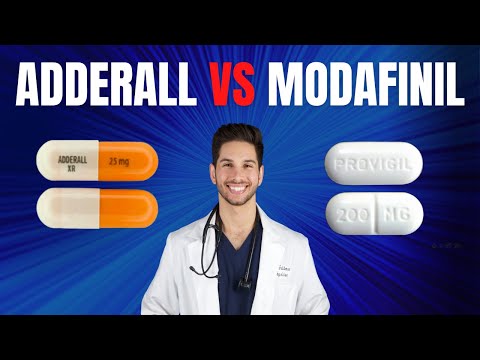
The primary treatment for Shift Work Sleep Disorder (SWSD) involves a combination of scheduled sleep, strategic light exposure, and, in moderate-to-severe cases, short-term medication. Managing shift work insomnia effectively often requires a tailored approach. For pharmacological intervention, physicians may prescribe wakefulness-promoting agents like modafinil or armodafinil. These are typically taken 30–60 minutes before a planned night shift to reduce sleepiness. Alternatively, a short-acting hypnotic such as zaleplon may be used modafinil vs adderall to promote sleep during the daytime off-hours.
- Modafinil/Armodafinil: 150–250 mg once daily before the shift, not taken within 5 hours of bedtime.
- Melatonin: 0.5–5 mg taken 30 minutes before intended daytime sleep, though evidence for efficacy is mixed.
Always consult a sleep specialist to determine the correct dosage, as self-treatment can worsen circadian rhythm misalignment.
Timing and Duration Considerations
For Shift Work Sleep Disorder, the optimal dosage of melatonin typically ranges from 0.5 to 3 milligrams, taken 30 to 60 minutes before the intended sleep period. Effective chronotherapy for shift workers often begins with a lower dose to assess tolerance, as higher amounts can cause grogginess. Prescription sleep aids like modafinil may be dosed at 200 milligrams at the start of a night shift to promote alertness. Always follow medical guidance, as individual response varies.
Dosage for Obstructive Sleep Apnea
The primary pharmacologic approach for Obstructive Sleep Apnea is not a standard medication dosage, but the application of continuous positive airway pressure (CPAP), where the prescribed pressure is titrated during a sleep study. For patients who cannot tolerate CPAP, the **recommended dosage** for a modafinil regimen to manage residual excessive daytime sleepiness typically starts at 200 mg once daily in the morning. It is critical to note that no medication reverses the airway collapse itself; therefore, any drug therapy is an adjunct, not a replacement. Always consult a board-certified sleep specialist for individual titration, as underlying comorbidities significantly alter drug metabolism. The **SEO-optimized guidance** for clinicians is to prioritize pressure verification before initiating pharmacologic support.
Adjunctive Use with CPAP
For Obstructive Sleep Apnea (OSA), the optimal “dosage” revolves around consistent, nightly **Positive Airway Pressure (PAP) therapy** set to a prescribed pressure level, not a medication. A sleep study determines your specific therapeutic pressure, typically between 4 and 20 cmH₂O, which keeps your airway open. Modern auto-adjusting devices (APAP) dynamically deliver this optimal dose by responding to your breathing patterns in real-time. To ensure effective treatment, proper dosage adherence is critical:
- Prescribed Pressure: Use the specific pressure setting from your sleep titration study. Never self-adjust it.
- Usage Duration: Aim for at least 7 hours per night, every night. Skipping sessions disrupts the cumulative therapeutic effect.
- Mask Fit: A secure, comfortable mask prevents leaks, which can reduce effective pressure by up to 30%.
Without consistent application at the correct pressure, sleep architecture remains fragmented, and daytime symptoms persist regardless of the device used.
Dose Adjustment Based on Residual Sleepiness
Effective obstructive sleep apnea treatment starts with precise CPAP pressure titration, typically determined during a sleep study. Standard pressures range from 4 to 20 cm H₂O, though most adults stabilize between 8 and 14 cm H₂O. For oral appliance therapy, a custom-fitted device is adjusted incrementally over weeks to advance the mandible by 50-70% of maximum protrusion. Supplemental oxygen, if prescribed, often begins at 2 L/min via nasal cannula. Key dosage considerations include:
- CPAP: Auto-titrating devices adjust pressure per breath; fixed-pressure units require a physician-set level based on titration results.
- Positional therapy: Avoid supine sleep; no dosage applies, but a wearable device prompts repositioning.
- Medication: Solriamfetol (75-150 mg daily) or modafinil (200-400 mg daily) target residual sleepiness, not airway obstruction.
Always consult a specialist to adjust these parameters—improper dosing risks incomplete airway clearance or device intolerance, reducing therapy adherence and health outcomes.
Off-Label Dosage Uses
Off-label dosage uses mean using a medication in a way that isn’t officially approved by regulators, often based on clinical judgment rather than label instructions. Doctors might prescribe a lower or higher dose for a condition than what’s on the package—like using a blood pressure drug at a reduced amount for anxiety. This practice is common in fields like oncology, where standard doses fail, or psychiatry, where patients need a customized off-label regime for better results. It can be effective, but risks include unexpected side effects or lack of evidence. The key is that it’s legal and common, but not always covered by insurance.
“Off-label dosing isn’t guesswork—it’s informed medical discretion, but always ask your doctor about the reasoning behind it.”
Always rely on a professional’s guidance to balance benefits and potential harm.
Dosage for Cognitive Enhancement
Off-label dosage uses involve prescribing a medication at doses outside its FDA-approved labeling, often based on emerging clinical data or expert consensus. This practice is common in oncology and pain management, where drug potency and patient tolerance vary widely. Compounding pharmacy expertise is critical for safe off-label dose preparation. Key considerations include the risk of toxicity or reduced efficacy, which requires careful pharmacovigilance. Common off-label dosing scenarios include:
- Using lower-than-approved doses for elderly or renally impaired patients.
- Administering higher maintenance doses for refractory conditions.
- Titrating doses based on therapeutic drug monitoring rather than standard schedules.
Healthcare providers must document the rationale thoroughly, referencing peer-reviewed evidence or clinical guidelines to mitigate liability.

Dosage for ADHD
Off-label dosage uses involve prescribing medications at doses or for conditions not formally approved by regulatory agencies like the FDA. This practice is common in fields such as oncology and pediatrics, where standard doses may be ineffective or untested for specific patient populations. Off-label dosing requires rigorous clinical justification to minimize risks like toxicity or therapeutic failure. A 2023 study in the Journal of Clinical Pharmacology noted that up to 40% of hospital medication uses are off-label, with dosing variations being a key factor. Physicians must rely on peer-reviewed evidence, pharmacokinetic data, and patient-specific factors when adjusting doses. For example:
- Chemotherapy agents are often dosed lower for elderly patients.
- Antidepressants may be prescribed at subtherapeutic levels for chronic pain.

Always verify off-label dosing with current clinical guidelines to avoid patient harm.
Dosage for Depression-Related Fatigue
Off-label dosage uses involve prescribing a medication at amounts or frequencies not officially approved by regulators like the FDA, often driving innovation in treatment. This practice empowers doctors to tackle complex conditions when standard doses fail, such as using higher-than-approved doses of gabapentin for nerve pain or beta-blockers for anxiety. Exploring off-label dosage strategies requires careful risk assessment, as efficacy and safety data may be limited. Common applications include:
- Adjusting antidepressants for treatment-resistant depression.
- Using low-dose naltrexone for autoimmune disorders.
- High-dose vitamin D in multiple sclerosis management.
While off-label dosing can provide breakthrough relief, it demands close patient monitoring and informed consent to navigate potential side effects. Dynamic clinical judgment remains vital.
Dosage Adjustments for Special Populations
Dosage adjustments for special populations are critical to ensuring both therapeutic efficacy and patient safety. Renal and hepatic impairment often require significant dose reductions, as compromised organ function can lead to toxic drug accumulation. Similarly, the pediatric and geriatric populations demand careful titration based on body weight, metabolic rate, and age-related physiological changes. Pregnant or lactating individuals may need altered dosing to protect the fetus or infant while maintaining effective treatment for the mother. Ignoring these unique variables risks adverse reactions or treatment failure. Clinicians must prioritize personalized dosing strategies to account for individual pharmacokinetic differences. By embracing evidence-based guidelines and vigilant monitoring, healthcare providers can optimize outcomes. Safe medication management in these vulnerable groups is not optional—it is a fundamental responsibility that directly impacts recovery and quality of life.
Elderly Patients and Renal Impairment
When it comes to dosage adjustments for special populations, a one-size-fits-all approach can be risky. For older adults, the body processes drugs slower, so doctors often start with lower doses to avoid side effects. People with kidney issues need careful tweaks because their bodies can’t clear medications efficiently, leading to a buildup. Similarly, liver problems can slow drug metabolism, requiring smaller or less frequent doses. Children and pregnant women also fall into this category—kids need weight-based calculations, while expecting mothers may need changes to protect the fetus and avoid toxicity. These adjustments aren’t just medical formalities; they’re crucial for safety and effectiveness. Always check with a healthcare provider before making any changes to avoid complications.
Hepatic Impairment Dose Reduction
Dosage adjustments for special populations are critical to prevent toxicity or therapeutic failure. Because elderly patients, those with renal or hepatic impairment, and pregnant women process medications differently, standard doses can be dangerously inappropriate. A 30-50% reduction is often necessary for elderly patients due to decreased renal clearance and altered drug metabolism. Kidney function, measured via estimated glomerular filtration rate (eGFR), dictates adjustments for renally cleared drugs like metformin and enoxaparin. Hepatic impairment similarly reduces metabolism of drugs such as warfarin and many benzodiazepines, requiring careful titration.
- Pediatrics: Weight-based dosing (mg/kg) avoids both underdosing and overdose risks.
- Geriatrics: Start low, go slow; use the Beers Criteria to avoid high-risk agents.
- Renal/Hepatic Impairment: Always check eGFR and liver enzymes before prescribing certain medications.
Q&A:
Q: Why can’t elderly patients just take a standard adult dose?
A: Age-related decline in kidney and liver function can cause drug accumulation, leading to serious adverse events even at typical adult doses.
Dosage Forms and Administration
Dosage forms are the physical delivery systems—ranging from tablets and capsules to injectables and transdermal patches—that house active pharmaceutical ingredients. Selecting the correct form is critical, as it dictates the drug’s bioavailability, onset of action, and patient compliance. Route of administration must align with the formulation’s design; oral forms rely on gastrointestinal absorption, while parenteral routes bypass first-pass metabolism for immediate systemic effects. For optimal therapeutic outcomes, always verify that the chosen dosage form matches the intended administration path—deviating can compromise efficacy or cause harm. Topical agents act locally, whereas controlled-release matrices prolong drug levels. Professionals must educate patients on proper technique for each route, ensuring dose integrity and avoiding common pitfalls like crushing enteric-coated tablets.
Tablet Strength Options
Dosage forms and administration are critical to ensuring therapeutic efficacy and patient safety. Solid oral forms, such as tablets and capsules, offer convenience and precise dosing but require intact swallowing. Liquid preparations, including solutions and suspensions, are advantageous for pediatric and geriatric patients or those with dysphagia. Parenteral routes (intravenous, intramuscular, subcutaneous) bypass the gastrointestinal tract, providing rapid onset for emergencies or when oral absorption is compromised. Topical and transdermal systems deliver drugs locally or systemically through the skin, minimizing first-pass metabolism. Inhaled aerosols target the respiratory tract directly, ideal for asthma or COPD.
- Oral solids: delayed-release, enteric-coated, or effervescent options
- Parenteral: require aseptic technique; risk of infection or phlebitis
- Ophthalmic/otic: sterile, isotonic solutions to avoid irritation
Q: When should a patient avoid crushing an extended-release tablet?
A: Crushing destroys the release mechanism, risking dose dumping and toxicity. Always confirm with a pharmacist or prescribing clinician.

Splitting and Timing of Doses
Dosage forms are the physical formulations of active pharmaceutical ingredients designed for specific routes of administration. These forms, including tablets, capsules, injectables, and topical creams, are engineered to control drug release and optimize absorption. The administration route—oral, intravenous, topical, or inhalation—directly impacts the drug’s bioavailability and onset of action. Key considerations include patient compliance, stability, and the need for precise dosing. For example, a solid oral dosage form is preferred for convenience, while parenteral forms ensure rapid systemic effect. Common dosage forms are:
- Solid: Tablets, capsules, powders
- Semi-solid: Ointments, gels, creams
- Liquid: Solutions, suspensions, syrups
- Gaseous: Inhalers, aerosols
Each form requires specific formulation excipients and manufacturing processes to ensure safety and efficacy.